
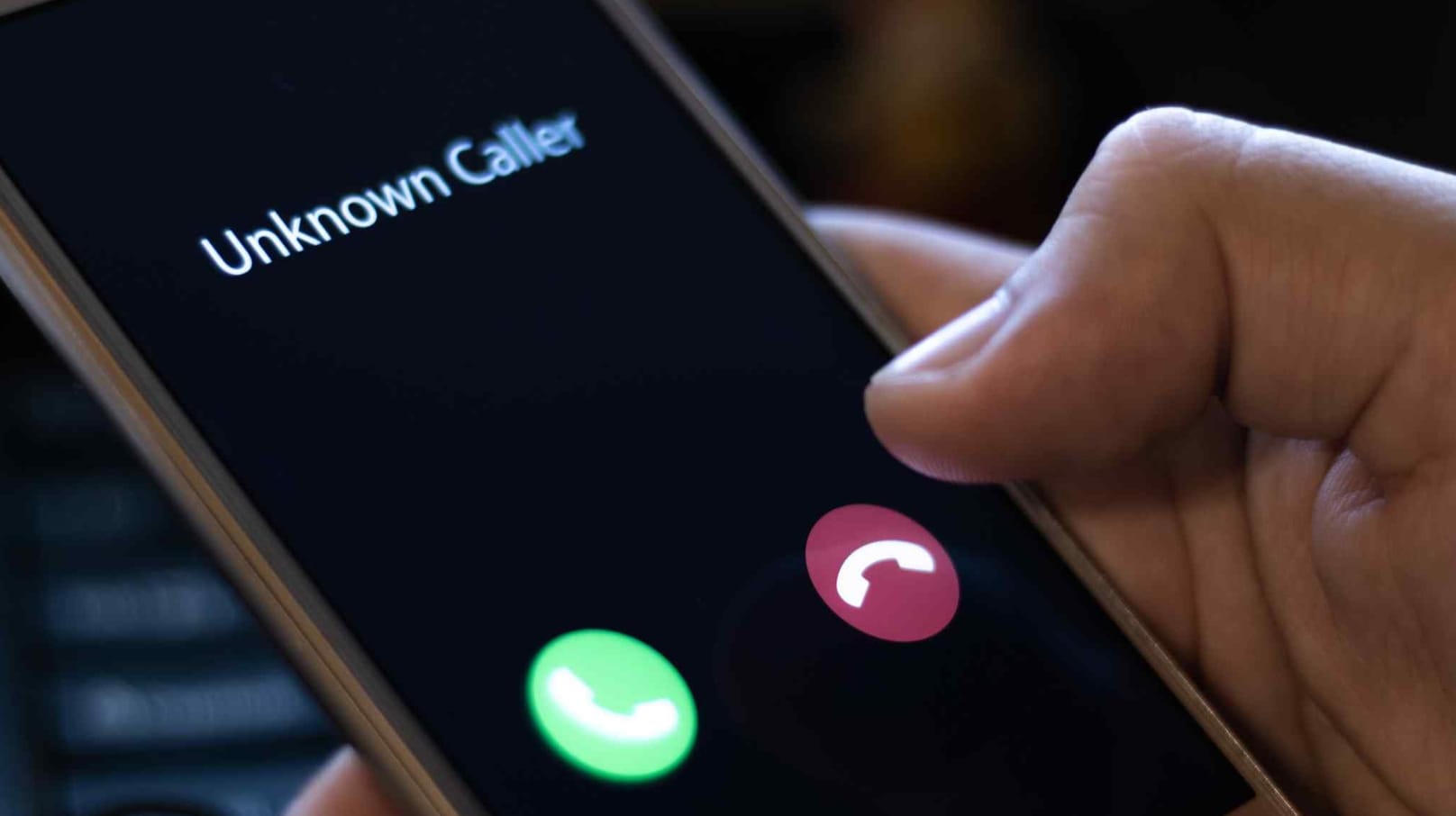
When a loved one calls for help, pause before you act. Kiwis pride themselves on looking after family and friends, especially when someone is in trouble. Unfortunately, scammers know this too. They often use fear, urgency, and emotion to trick caring people into sending money or sharing personal information.
These scams, often called emergency scams, are designed to make you believe that a loved one needs your help immediately.
How the Scam Works
A common version starts with a text message that says:
"Hi Mum" or "Hi Dad, I've got a new number."
The scammer pretends to be your child, grandchild, another family member, or a good friend. They may claim they have lost or broken their phone, switched mobile providers, or are using a temporary number.
Once you've accepted the new number as genuine, the scammer may create a sense of urgency by saying they need financial help right away. They might claim they are unable to access their bank account, need to pay an urgent bill, or are stranded somewhere without money.
Another variation involves a phone call from someone claiming to be your grandchild, another relative or friend. They may say they have been involved in a car accident, arrested, injured, or faced another unexpected emergency. The caller then asks for money to be sent immediately.
These stories are carefully designed to tug at your heartstrings and pressure you into acting before you've had a chance to think.
Why These Scams Work
Emergency scams succeed because they target our natural instinct to help the people we care about. When we hear that a loved one is in trouble, it's easy to react emotionally rather than stopping to verify the situation.
Scammers count on panic and urgency to stop victims from asking questions or checking the facts.
Five Ways to Protect Yourself
1. Slow Down and Verify
Scammers want you to act quickly. Take a moment to pause and think before responding. A genuine family emergency will still be there after you've taken steps to confirm what's happening.
2. Contact Your Loved One Directly
If you receive a suspicious message or call, contact the family member or friend using the phone number you already have saved, not the new number provided in the message.
If you can't reach them, check with other family members or close friends who may know where they are and whether the story is true.
3. Ask Questions Only They Would Know
If someone claims to be a relative, ask personal questions that only your real family member or friend would be able to answer.
For example, you might ask about a family event, a nickname, or another detail that wouldn't be publicly known.
4. Never Send Money to Someone You Haven't Verified
No matter how convincing the story sounds, don't transfer money, buy gift cards, or share banking details until you've independently confirmed the person's identity and circumstances.
5. Protect Your Personal Information
Never provide personal details, passwords, banking information, or security codes to someone who contacts you unexpectedly.
Remember: Stop, Check, Protect
If you receive an unexpected call or message from a family member or friend claiming to be in urgent trouble, remember three simple steps:
Stop. Don't rush into action.
Check. Verify the story using trusted contact details.
Protect. Keep your money and personal information secure.
A few extra minutes spent checking could save you from losing thousands of dollars and prevent a scammer from taking advantage of your goodwill.
When it comes to emergency scams, the safest response is not to act quickly. It's to act wisely.
Report Scams in New Zealand
If you believe you’ve been targeted by an emergency scam, or if you've lost money, it's important to report it as soon as possible.
Where to report scams in New Zealand:
- Netsafe: Report online scams, suspicious messages, and cybercrime at www.netsafe.org.nz
- Your Bank: If you've transferred money or shared banking details, contact your bank immediately. The sooner you act, the better the chance of stopping or recovering a fraudulent transaction.
- New Zealand Police: If you've suffered financial loss or believe a crime has occurred, report it to Police via www.police.govt.nz or call 105.
By reporting scams, you're not only protecting yourself but also helping authorities and organisations warn other New Zealanders.
If you are unsure whether a message, email, or phone call is genuine, you can check in with TechMan before taking any action. We can help you verify whether it's a scam and advise you on the safest next steps.
Need help with your IT? TechMan provides friendly, expert IT support for homes and small businesses across the Kāpiti Coast, Wellington and Levin.
Get in Touch →