
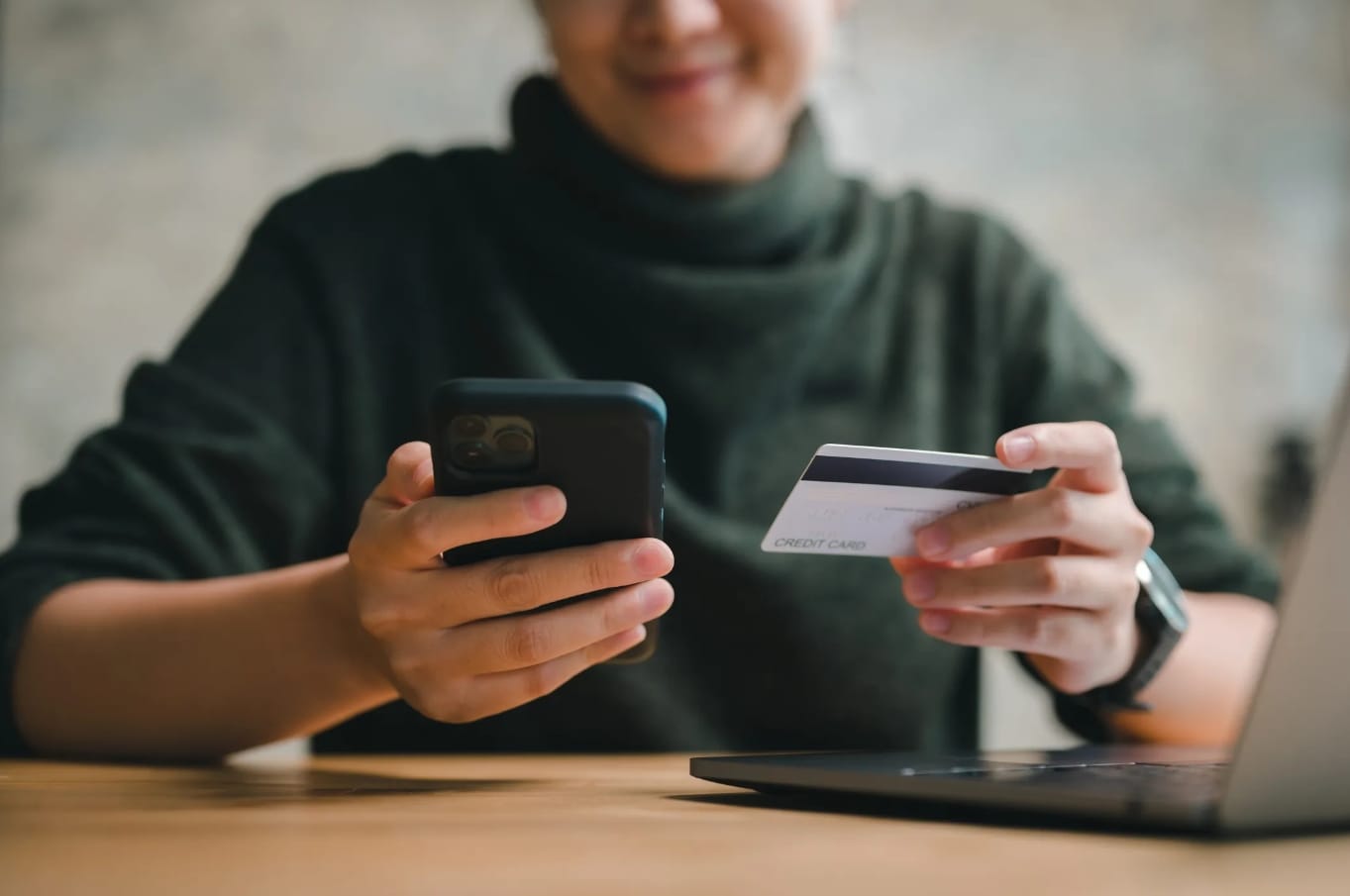
The convenience of online shopping has made it easier than ever to find great deals, but it has also created new opportunities for scammers. In New Zealand, purchase scams are among the most common forms of online fraud, with criminals using fake websites, social media ads, and online marketplaces to trick unsuspecting buyers.
Whether you're searching for a discounted laptop, a designer handbag, or the latest tech gadget, it's important to remember that not every online seller is genuine and not every website is what it appears to be.
Over the last few years, online shopping has become increasingly popular, and scammers have become more sophisticated. They create convincing websites, copy trusted brands, and advertise products at prices that seem too good to pass up. Unfortunately, many shoppers only discover they've been scammed after their money has disappeared and the product never arrives.
How These Scams Work
Fraudsters often target buyers through:
- Fake online stores that mimic legitimate retailers.
- Social media marketplaces, including Facebook Marketplace.
- Online auction websites and classified listings including eBay or Trade Me.
- Sponsored advertisements that appear in search results.
- Copycat websites designed to look like well-known brands.
These scammers entice shoppers with heavily discounted prices, limited-time offers, and fake customer reviews. In some cases, buyers receive poor-quality counterfeit products. In others, the goods never arrive at all.
A growing concern in New Zealand is the use of realistic-looking websites, including some using .co.nz or .nz domain names. While many New Zealand domains are legitimate, a local domain name should not be considered proof that a business is trustworthy.
The Risks of Buying from Fake Websites
When you purchase from a fraudulent website, you may face:
- Loss of money with no product delivered.
- Counterfeit or low-quality goods.
- Stolen credit card information.
- Identity theft.
- Difficulty recovering funds or obtaining refunds.
Unlike purchases made through reputable retailers, transactions on scam websites often provide little or no consumer protection.
How to Protect Yourself
Before making an online purchase, take a few minutes to verify the seller and the website.
1. Check the Website First
Run the website address through CheckNetsafe.nz to identify known scam websites and potential risks.
2. Buy from Trusted Sellers
Purchase from businesses or individuals you know, have used before, or who have a strong reputation within New Zealand.
3. Keep Transactions on the Platform
If you're buying through Trade Me, eBay, or another marketplace, never agree to complete the transaction outside the platform. Scammers often try to move conversations to private email or messaging apps to avoid detection.
4. Treat Reviews with Caution
A lack of reviews can be a warning sign, but so can a large number of overly positive reviews. Criminals frequently create fake reviews to build trust.
5. Be Wary of Upfront Payments
Be cautious if a seller asks for bank transfers, cryptocurrency payments, gift cards, or payment before any proof of shipment.
6. Use a Credit Card
Credit cards generally offer stronger fraud protection than direct bank transfers. Consider using a card with a lower spending limit for online purchases.
7. Read the Fine Print
Review refund, return, and warranty policies carefully. If these policies are missing or poorly written, that should raise concerns.
8. Ask Questions
Legitimate businesses are usually happy to answer questions about delivery times, shipping methods, product specifications, and total costs. Most reputable retailers can also provide tracking information once an order has shipped.
9. Verify the Website's Details
Check that the contact information, products, pricing, and business details all make sense. Look for a physical address, phone number, and information about where the company is actually based. A New Zealand-sounding business name or .co.nz or .nz domain doesn't always mean the company operates from New Zealand. If the location, shipping times, or business details seem unclear or inconsistent, proceed with caution.
Final Thoughts
Online shopping offers incredible convenience, but a healthy dose of scepticism can save you from becoming the next victim of a scam. If a deal seems unusually cheap, pressure is applied to buy immediately, or something about the website feels off, trust your instincts and do more research before handing over your money.
Remember: it's far easier to prevent a scam than to recover your money after one. A few minutes spent checking a seller could save hundreds, or even thousands, of dollars.
Need help with your IT? TechMan provides friendly, expert IT support for homes and small businesses across the Kāpiti Coast, Wellington and Levin.
Get in Touch →