Practical advice on cybersecurity, AI, and technology — written for NZ homes and small businesses.
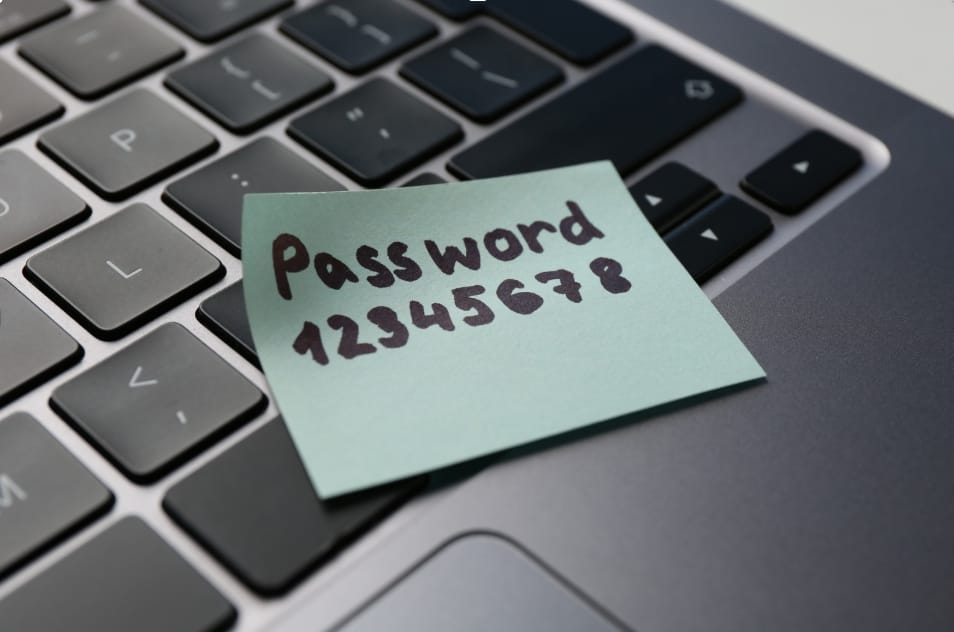
Modern password advice has changed: use long passphrases, drop mandatory rotation, block breached passwords, and enable MFA everywhere.
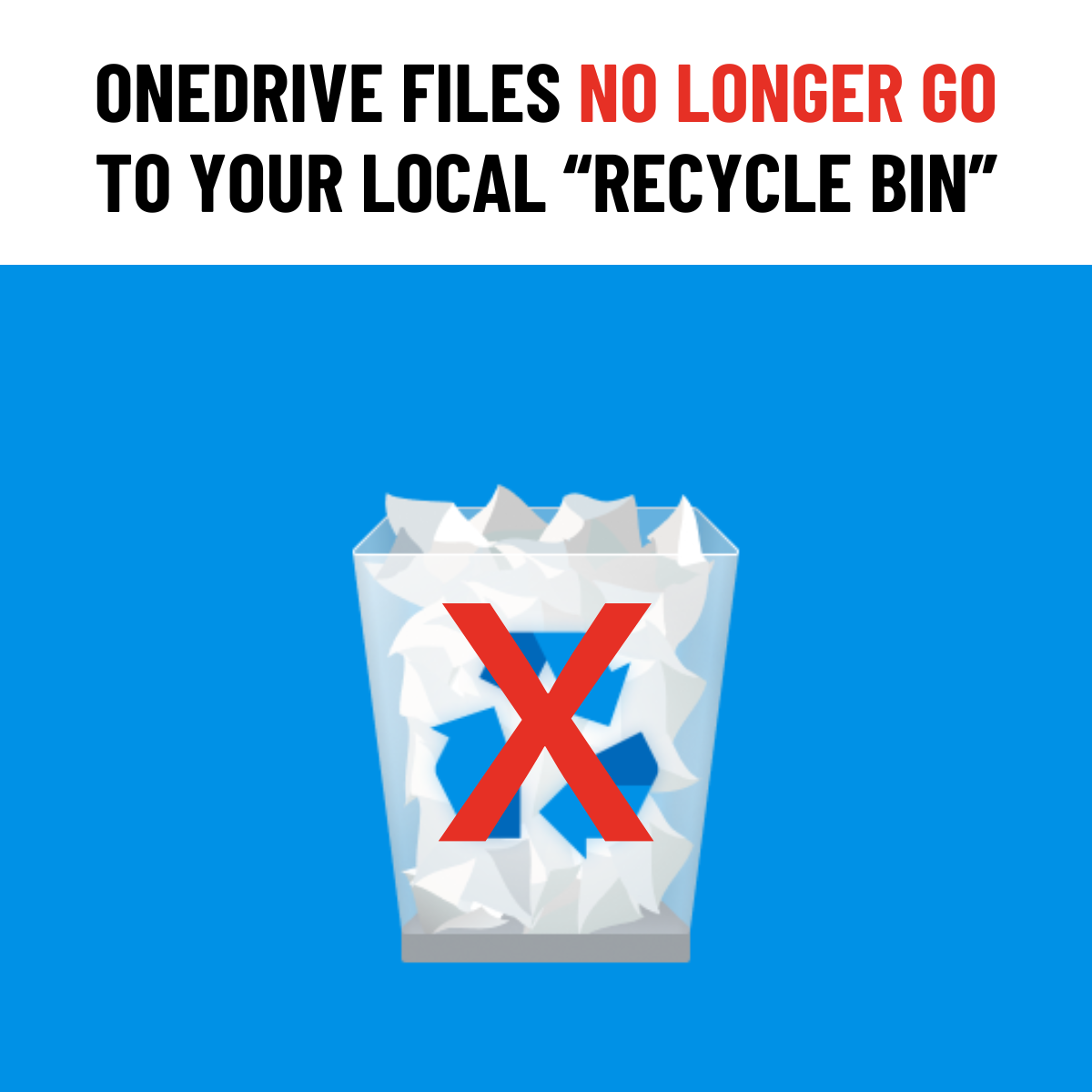
Deleted from OneDrive or SharePoint? Recovery now happens online, not from your local Recycle Bin.
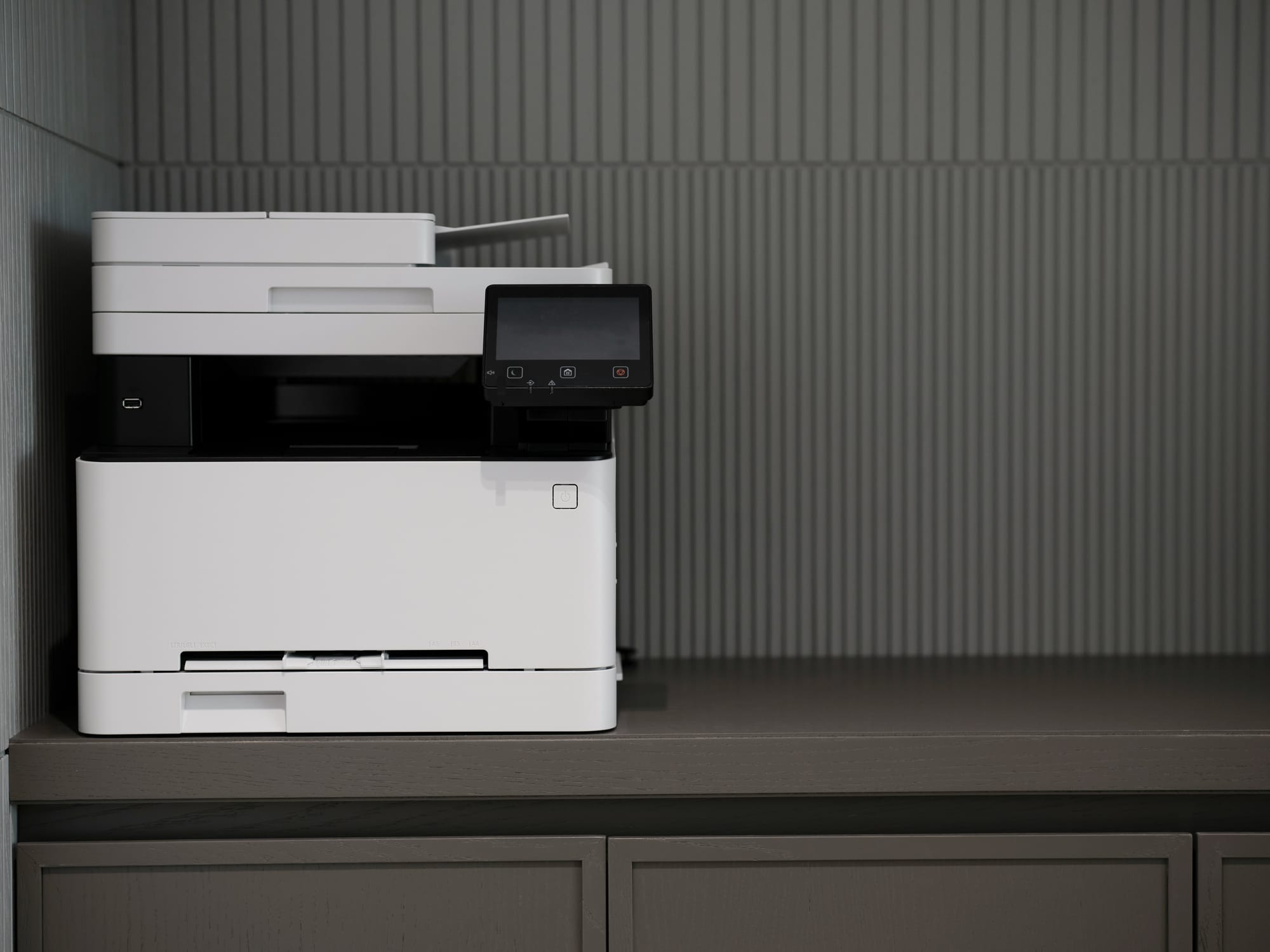
Is your office printer the weakest link in your network? Change default passwords, disable unused wireless access, and strengthen security today.
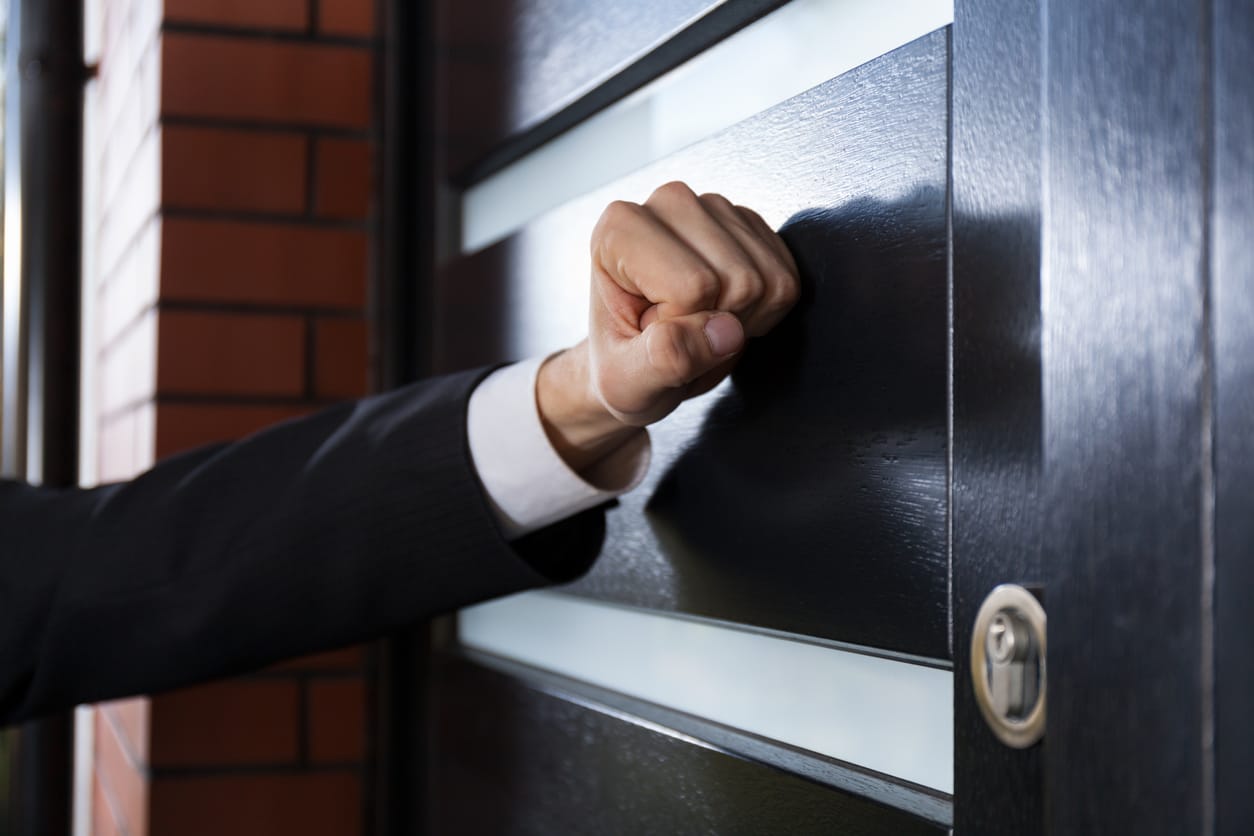
Don't let a knock at the door cost you money. Learn how to spot door to door scams and protect yourself, your family, and your business.
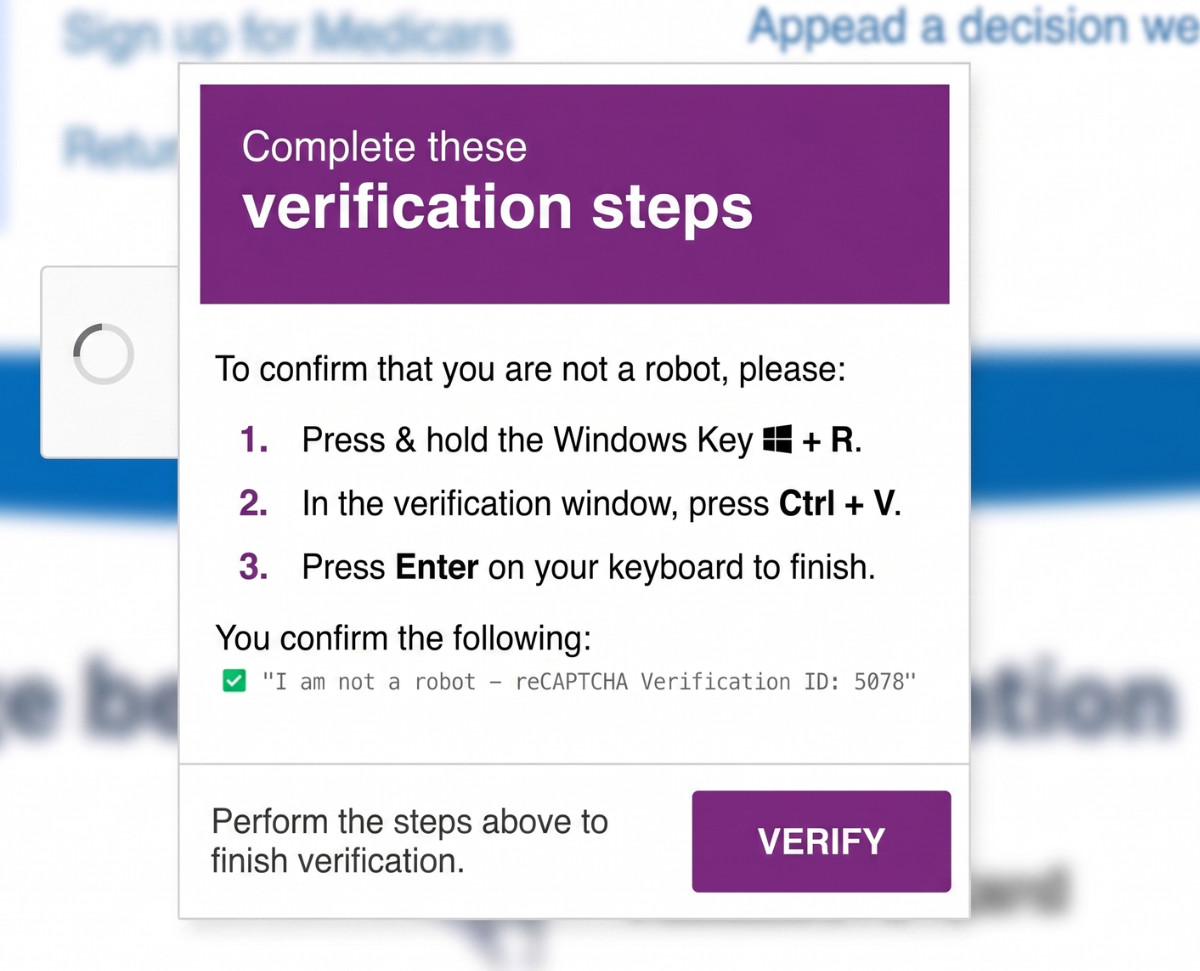
ClickFix scams mimic CAPTCHAs to trick you into running malicious commands to install malware. Stay safe by never pasting unknown code.
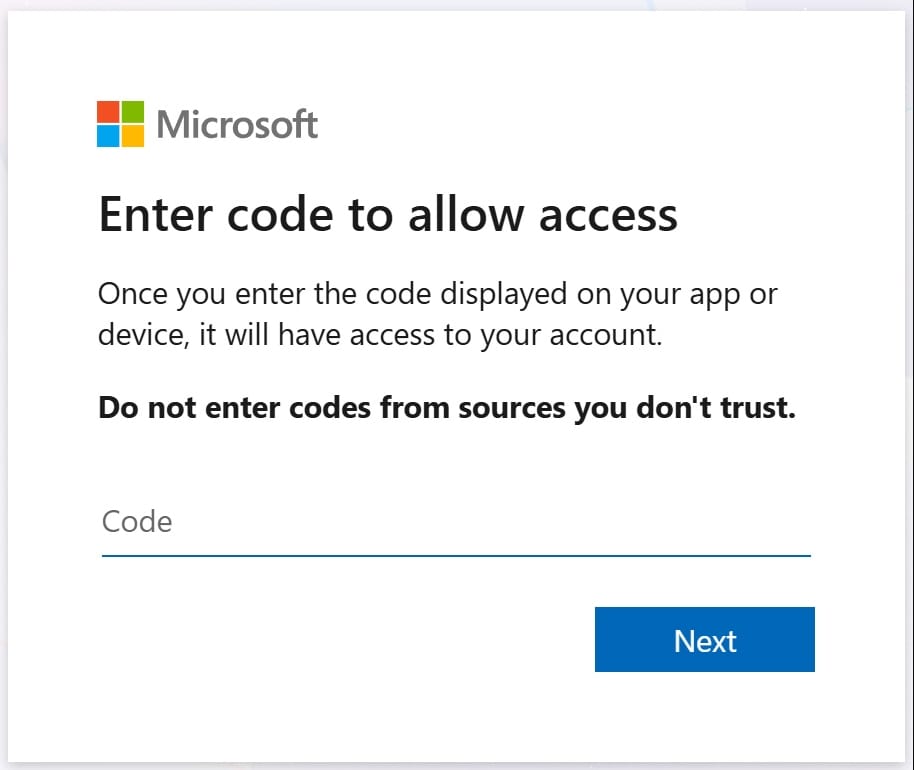
Device code phishing can use real Microsoft login flows to trick users into granting access, bypassing MFA and stealing tokens without passwords.
Outlook's Delay Delivery holds emails in your Outbox before sending to give you time to catch mistakes or stop something you'll regret sending.
Personal web habits can unintentionally expose business data. Reducing this risk involves making safer behaviour the path of least resistance.
Fake recruiters and fraudulent job postings are increasingly common. Stay informed and cautious to weed out real opportunities from fake ones.
Unvetted browser extensions can be a problem. Our simple five-minute security check can prevent most extension problems before they start.
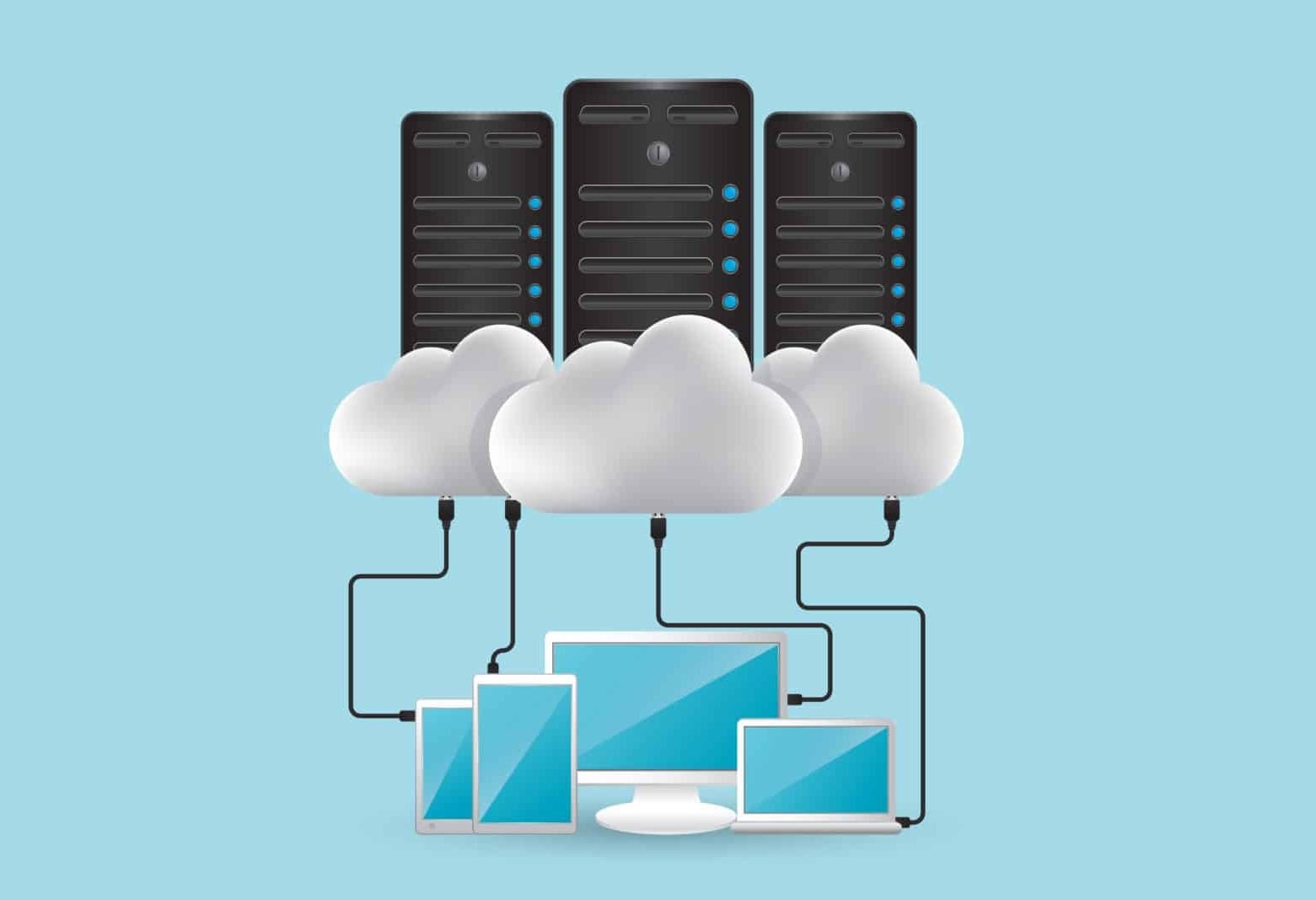
Cloud storage is no longer a guaranteed backup. Proper backup systems should be separate, secure and protected if cloud credentials are attacked.
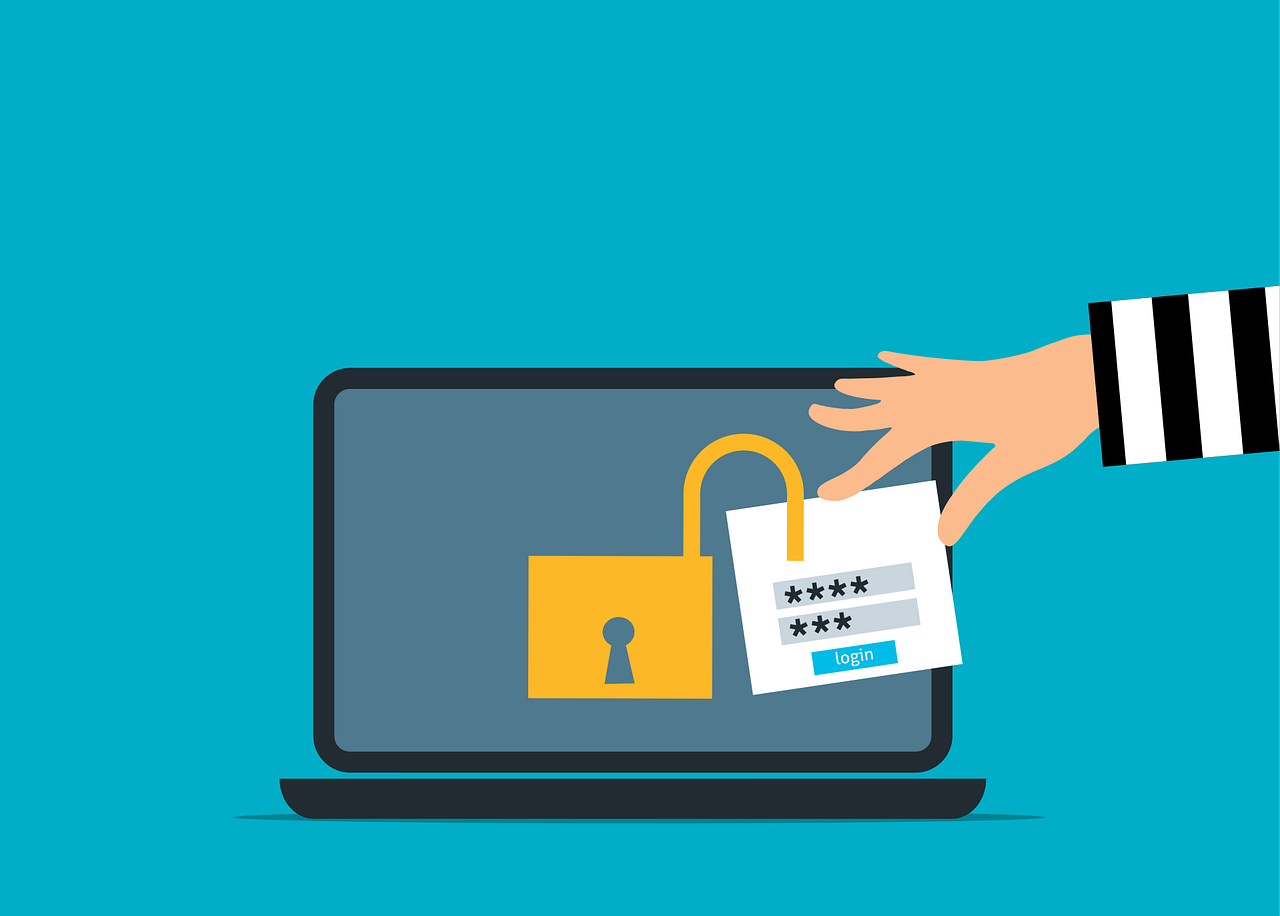
Session cookie hijacking steals the trust granted after MFA succeeds and allows attackers to walk past defences you assumed were impenetrable.